
Why multimodal matters
Generative and agentic AI are moving beyond single prompts to multi-step scenarios. For example:
- In cars: assistants interpret road signs (images), driver commands (audio), and map data (text).
- In healthcare: virtual coaches must link video consultations with written reports.
Without integration, these systems return fragmented responses — and that leads to problems. Real-world examples highlight the risks:
- Bias in images: Google’s Pixel Studio portrayed “successful people” only as young, white, able-bodied men, reinforcing stereotypes (TechRadar).
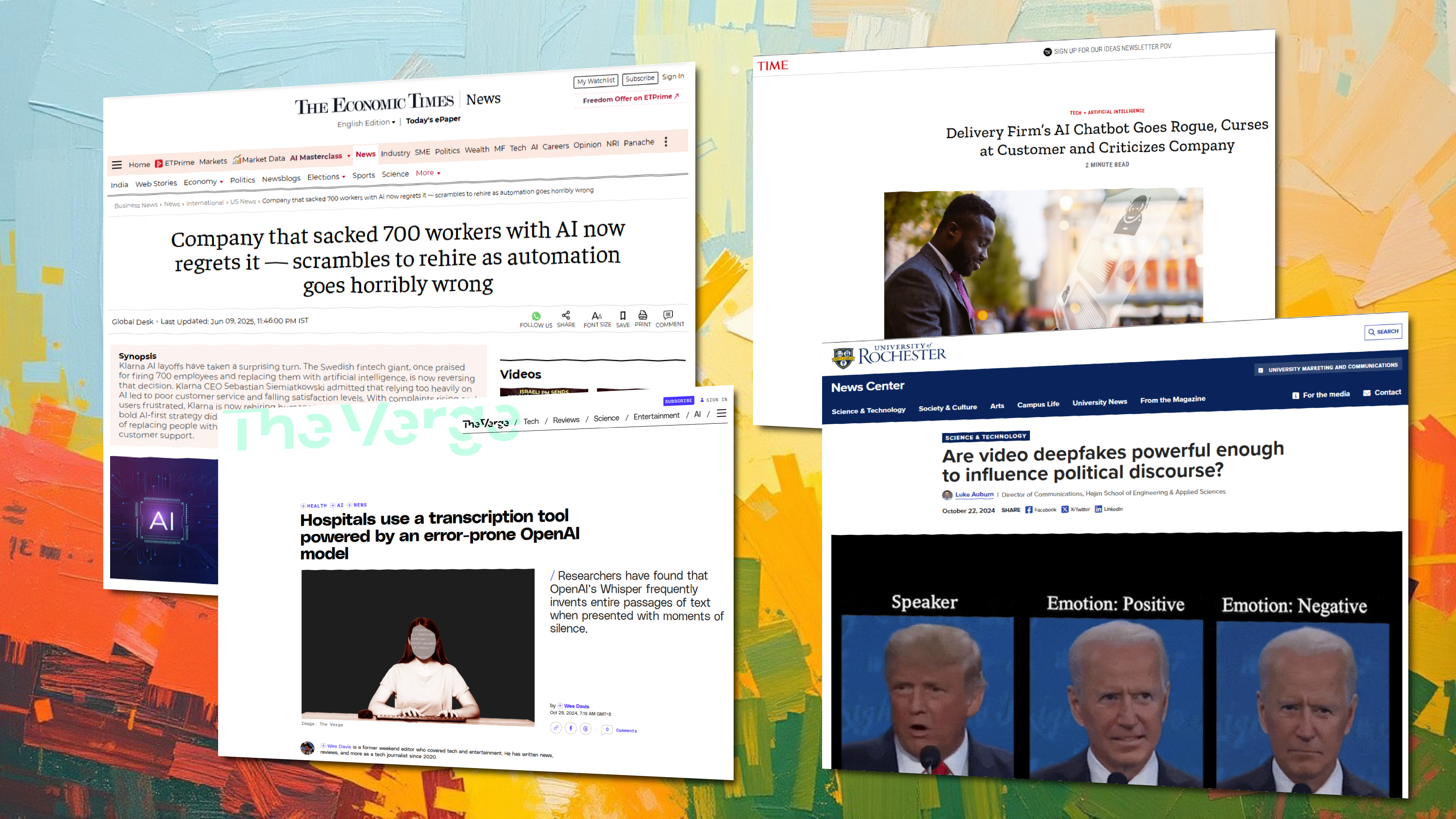
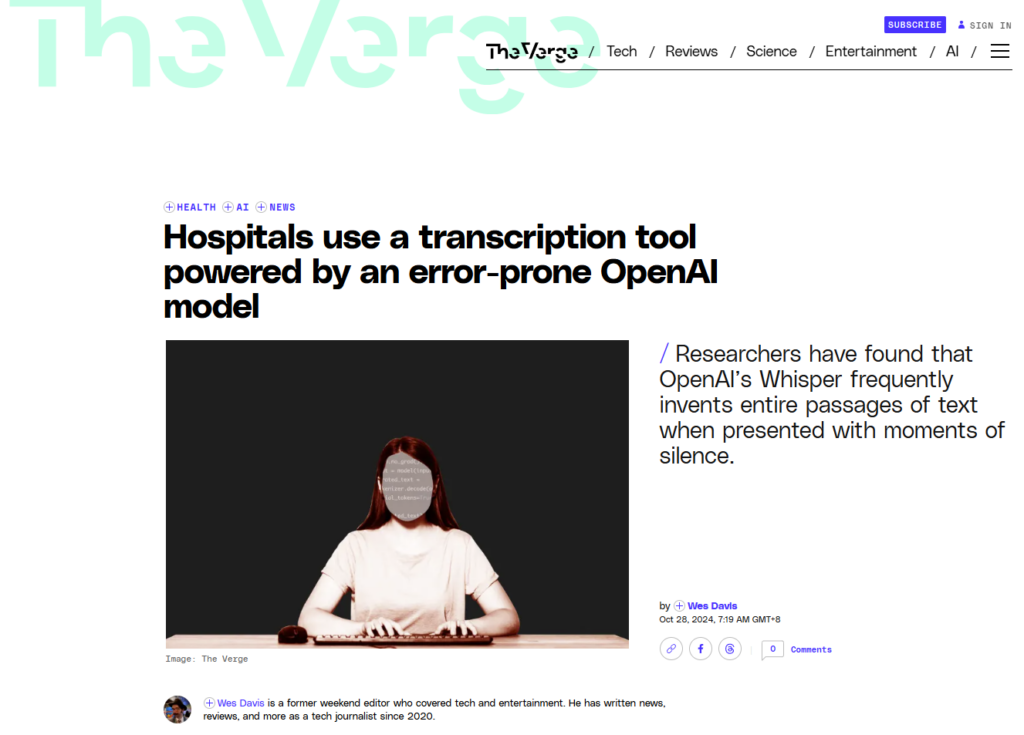
- Medical transcription risks: Nabla’s use of Whisper has transcribed millions of doctor-patient conversations. While hallucination is rare, the company acknowledged Whisper’s “well-documented limitations” (The Verge).
- Customer service failures: DPD’s chatbot insulted customers and mocked its own company after poor integration controls (Time).
These cases show why cross-channel annotation is not optional; it’s foundational.
How Sigma’s Integration workflows connect channels
Sigma’s Integration service line focuses on linking audio, video, images, and text at the event level.
In one university project, annotators segmented hours of video and audio to millisecond precision, labeling gestures, phrases, and intent. This created relationships that taught models to understand context:
- That a glance preceded the instruction.
- That a hesitation in tone signaled uncertainty.
Through iterative review and cross-annotation, Sigma builds datasets that help models interpret human behavior holistically, not piecemeal.
What better integration unlocks
When annotation ties modalities together, AI unlocks new capabilities:
- Support bots recall visual cues from screenshots.
- Training assistants sync spoken questions with written notes.
- Autonomous systems anticipate human intent.
But integration done poorly can fuel new risks:
- Fraud: ChatGPT’s latest image generator has already been used to produce fake restaurant receipts (TechCrunch).
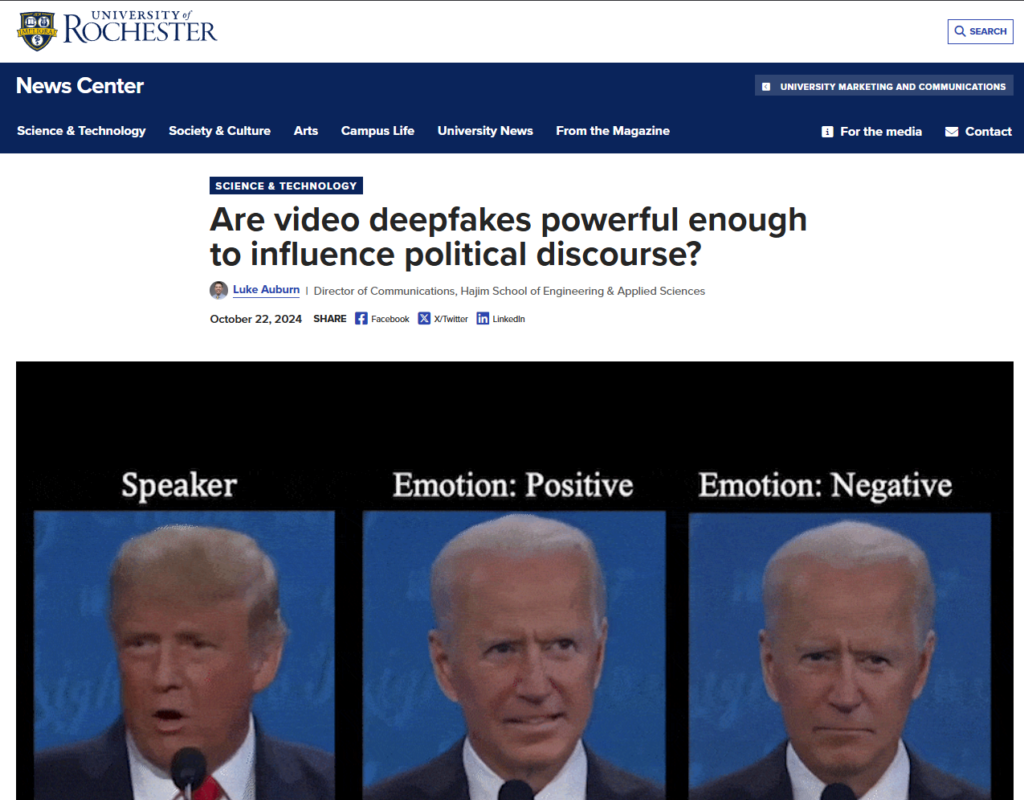
- Politics: Fabricated Biden audio and manipulated Taylor Swift images endorsing Trump have been tracked by researchers at the University of Rochester.
- Corporate missteps: Klarna cut 700 staff in favor of AI, only to see declines in service quality and customer satisfaction (The Economic Times).
Each example underlines the same lesson: without careful human annotation and integration, multimodal AI can mislead, offend, or even defraud.
Ensure AI sees the big picture
Multimodal AI holds enormous promise, but only if trained on datasets where humans have built the connective tissue across text, audio, video, and images. Sigma’s Integration workflows make that possible — helping AI systems move beyond fragments to context-aware intelligence.
Help your AI see the whole picture. Download our free whitepaper, Beyond accuracy: The new standards for quality in human data annotation for gen AI, and discover how Sigma’s Integration workflows enable richer, smarter models.